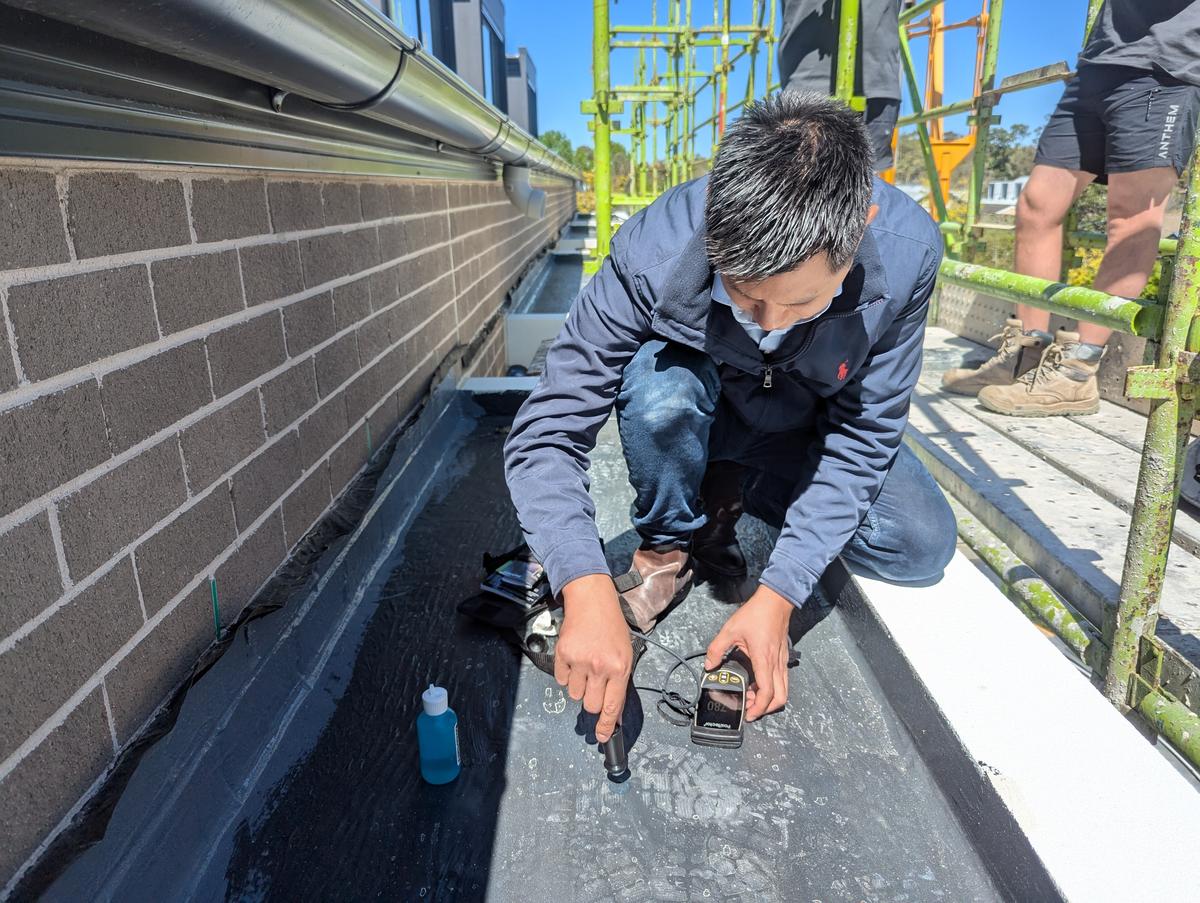
When buildings fail, you need answers — not opinions. Our forensic engineers investigate structural damage, building defects and construction failures across Australia, delivering clear technical evidence that stands up in disputes, tribunals and court.
Independent & Objective
When structural damage, water ingress or building defects are discovered, the cause is rarely obvious. Without proper forensic investigation, the wrong diagnosis leads to the wrong repair — wasting time, money and leaving the real problem unfixed.
Builders and trades often treat symptoms, not causes. A crack gets patched, a leak gets sealed — but the underlying structural or waterproofing failure remains. An engineer identifies the root cause so repairs actually work.
Insurer-appointed assessors are incentivised to minimise payouts. An independent forensic engineer provides objective technical evidence — assessed against Australian Standards and the Building Code — that carries real weight in disputes and at AFCA.
Defect disputes between owners corporations, developers and builders require clear, independent evidence. A forensic engineering report establishes liability, quantifies damage and provides a defensible basis for resolution.
Detailed investigations by qualified engineers — from desktop reviews to comprehensive site inspections and expert reports.
Systematic identification and documentation of construction defects, non-compliant work and material failures in residential and commercial buildings.
Independent technical assessment of insured damage for homeowners, strata managers and loss adjusters — providing objective evidence for claims and disputes.
Investigation of partial or complete structural failures — identifying the mechanism, sequence and root cause of collapse or distress in buildings and structures.
Tracing the source, pathway and cause of water entry into buildings — from failed waterproofing membranes to facade defects and plumbing failures.
Independent expert engineering evidence for NCAT, AFCA, courts and mediations. Clear, defensible reports that stand up to cross-examination.
Pre- and post-construction condition surveys documenting existing damage to neighbouring properties — protecting all parties before excavation, demolition or heavy construction begins.
A structured, transparent process from first contact to final report — so you always know where things stand.
Tell us about the issue. We'll review the background, define the scope of investigation and provide a fixed-fee quote — no surprises.
Our engineers conduct a detailed on-site investigation — documenting damage, taking measurements, and collecting evidence systematically.
We analyse the evidence against Australian Standards and the NCC, and deliver a clear engineering report with findings, cause analysis and recommendations.
We support you through the next steps — whether that's remediation specifications, dispute evidence, expert testimony, or a second opinion on repair proposals.
Anonymised examples of forensic investigations we've completed — showing the kind of problems we solve and the outcomes we achieve.
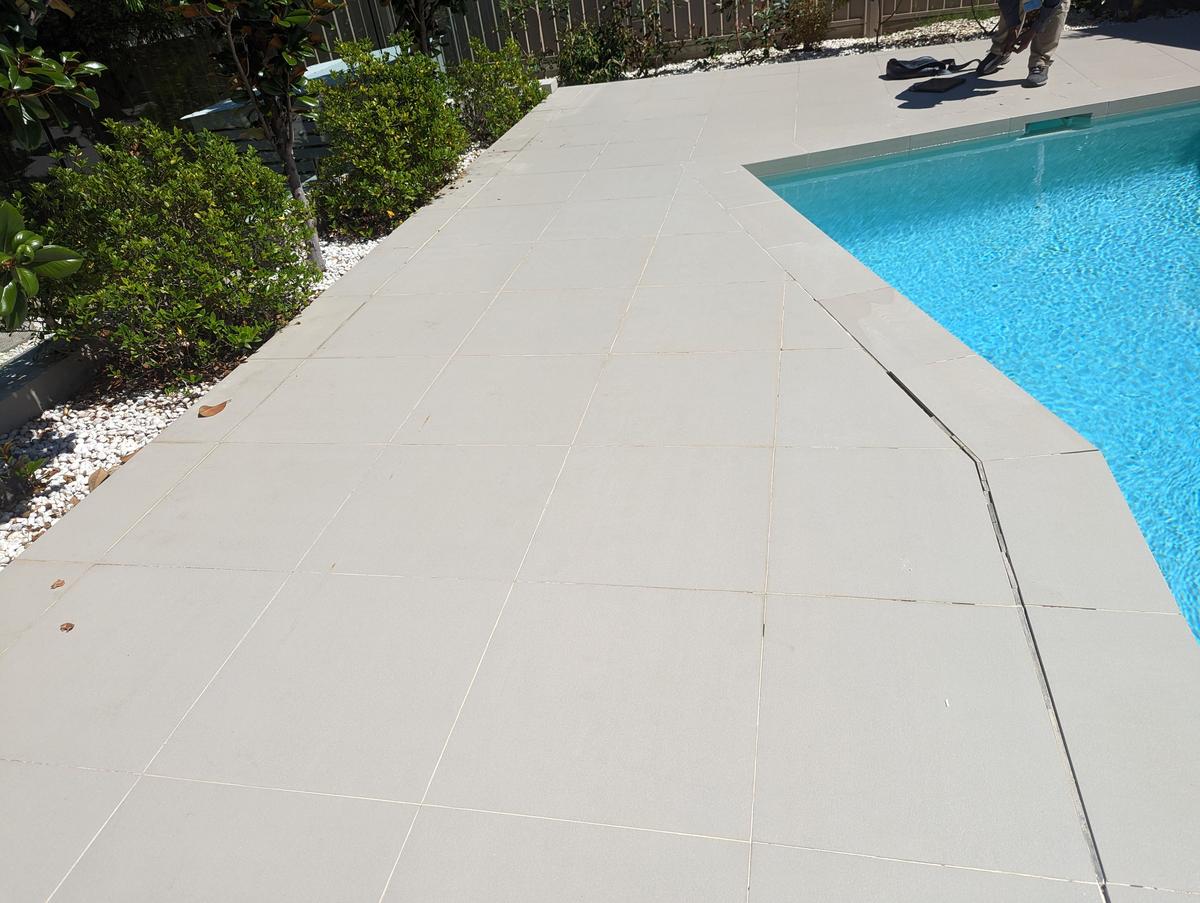
Insurance Dispute · Pool Tiling
A homeowner's insurance claim for extensive pool surrounds and tile damage was denied after the insurer's engineer argued the tiling was not installed in accordance with AS 3958 (ceramic tile installation). Our forensic investigation established two critical flaws in the insurer's position: the building was constructed prior to the standard's inception date, making it inapplicable — and more importantly, AS 3958 is a referenced guide in the NCC framework, not a mandatory compliance standard. The insurer's engineer had fundamentally misapplied the regulatory framework.
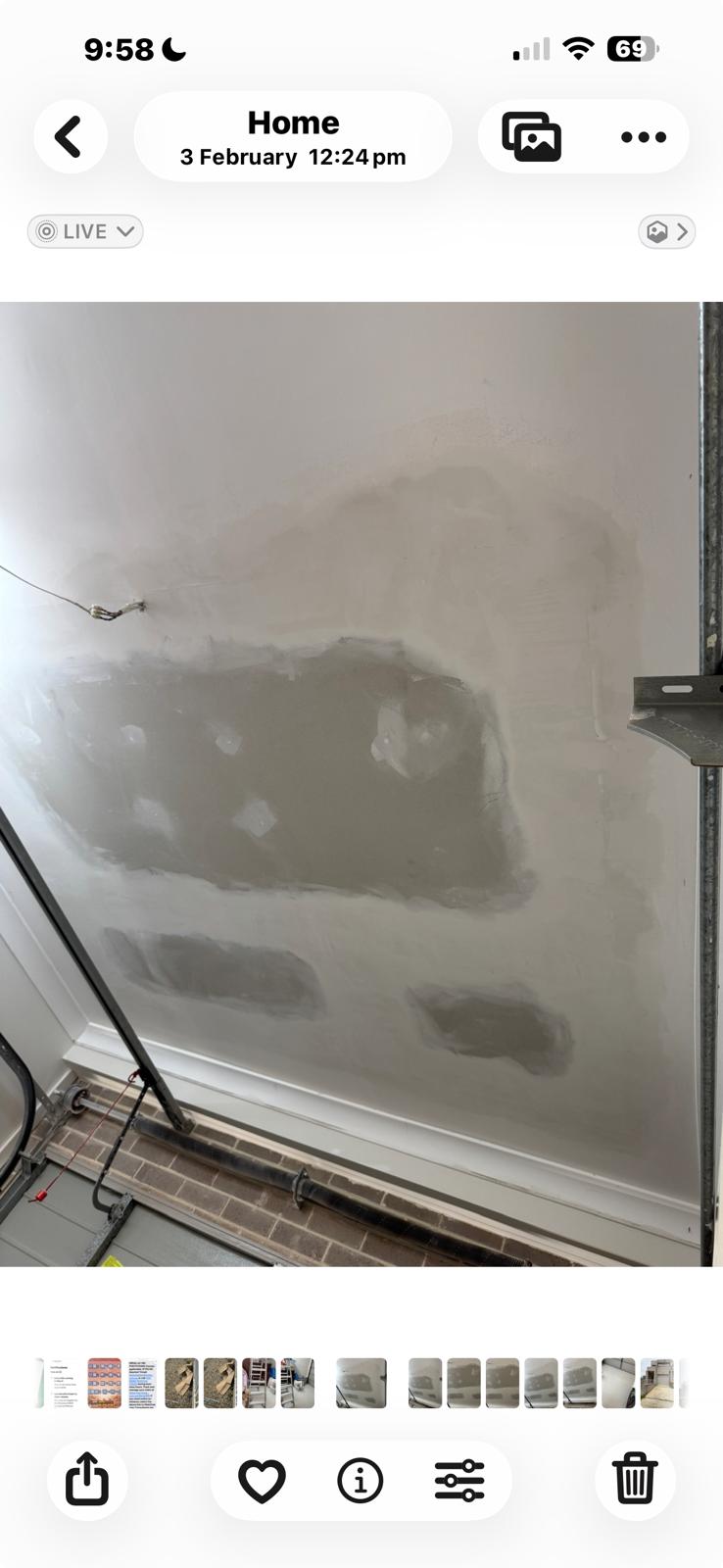
Water Ingress · Insurance
After a major storm event (77 mm rainfall in a single day), water entered a homeowner's garage from the first-floor balcony above. The insurer's appointed builder recommended cancelling the claim, asserting the damage was caused by a "potential waterproofing failure" — a pre-existing condition. Our desktop review of rainfall data, building plans, and the builder's own report revealed the balcony had no overflow provisions, meaning stormwater rose above the waterproofing termination height and cascaded into the garage below. Critically, the insurer's builder — a licensed contractor — failed to identify this design deficiency and provided no evidence of membrane failure.
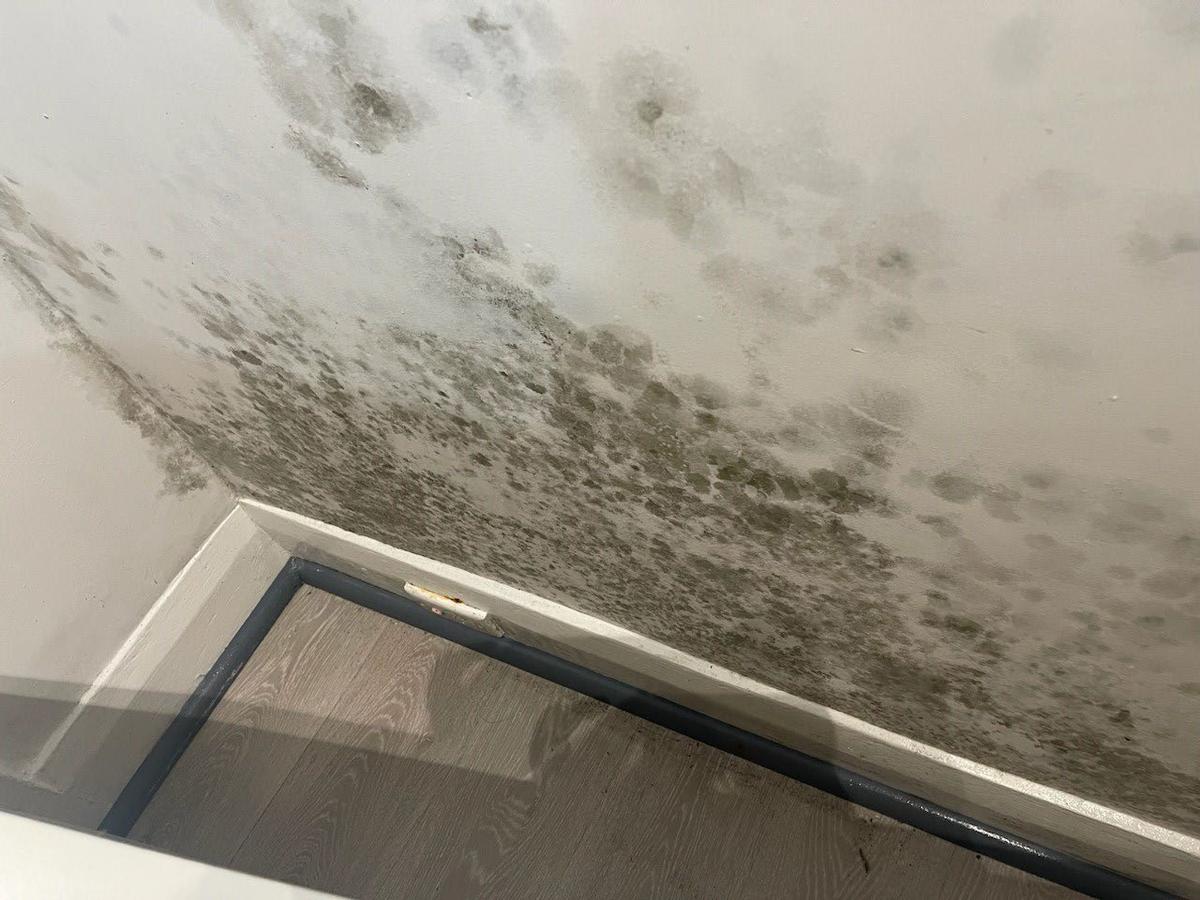
Rising Damp · Strata
A unit owner in a heritage-era strata building experienced persistent dampness and mould to internal walls. The owners corporation obtained three separate quotes — a waterproofing contractor suggested the issue was condensation from poor ventilation, while a painting contractor proposed simply painting over the damp walls. Our independent review of all three reports confirmed rising damp from a failed damp proof course (DPC). We demonstrated that the ventilation and painting recommendations were technically inadequate band-aid solutions that would waste the OC's funds, and that only chemical DPC injection would address the root cause.
Defective Workmanship · Insurance
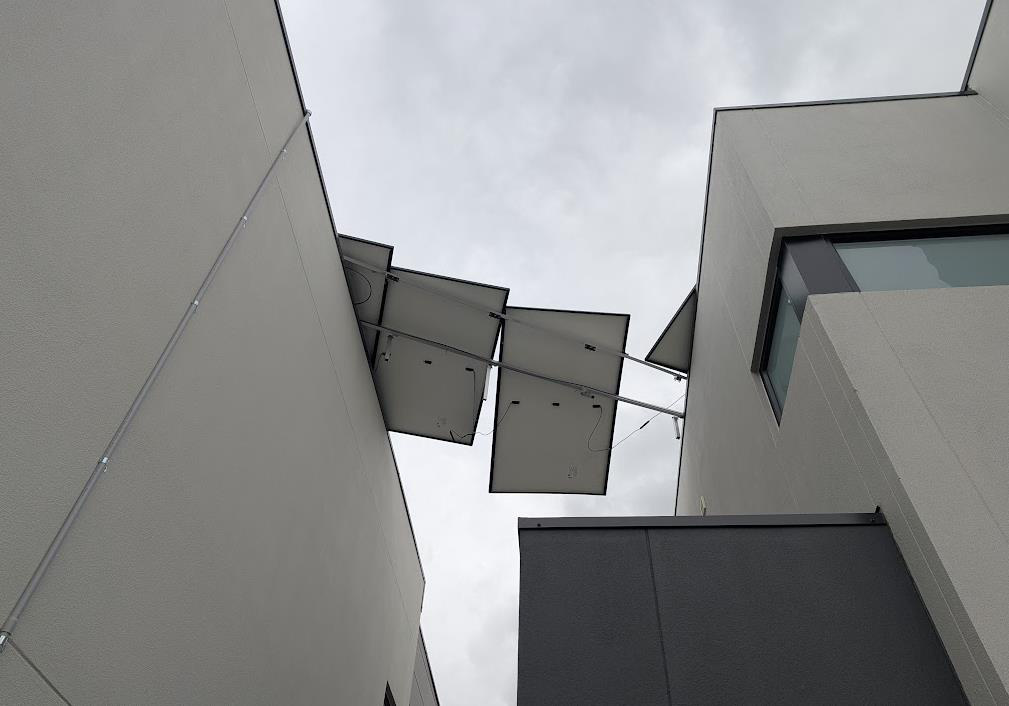
During an 85 km/h wind event, solar panels detached from their mounting posts on a residential property. Our investigation — including wind assessment to AS 4055, inspection of the mounting hardware, and BOM weather data review — found that the clamping screws securing the sleeved post connections had never been adequately tightened. The recorded wind speed of 23.6 m/s was well below the 40 m/s design requirement for the region. One of the original installers confirmed they had omitted to tighten the screws during installation.
We provide independent, objective forensic engineering for anyone who needs technical truth — regardless of which side they're on.
Insurance claim disputes, structural damage assessment, pre-purchase defect investigations and expert reports for tribunal proceedings.
Common property defect investigations, remediation specifications, capital works planning and independent evidence for owners corporation disputes.
Independent cause-of-loss investigations, damage quantification, scope of works validation, and technical assessments for claims management.
UCPR-compliant expert reports, joint expert conferencing, tribunal and court testimony, and technical advice on building and construction disputes.
Our forensic engineers are Chartered Professional Engineers (CPEng) registered with Engineers Australia, with registrations in NSW, Queensland (RPEQ) and Victoria. Our principal engineer also holds a waterproofing contractor licence (460471C) and is a member of the Australasian Institute of Waterproofing — providing specialist expertise in leak and waterproofing failure investigations that most structural engineers don't have.
A standard building inspection identifies visible defects. A forensic investigation goes further — determining why damage occurred, what caused it, who is responsible, and what needs to be done to fix it properly. We use engineering analysis, Australian Standards compliance assessment, and systematic evidence collection to establish cause and liability.
Yes. Our expert reports are prepared to be admissible in legal proceedings. For NSW tribunals and courts, reports comply with UCPR requirements for expert evidence. For AFCA insurance disputes, our reports provide the independent technical evidence that the ombudsman needs to make a determination. Our engineers have provided expert evidence in NCAT, AFCA, District Court and Supreme Court proceedings.
Both. We provide independent forensic engineering services to homeowners, strata managers, insurers, loss adjusters and lawyers. Our obligation is to the technical evidence, not to the party who engaged us. This independence is what gives our reports credibility regardless of which side of a dispute they're used in.
We provide fixed-fee quotes based on the scope of investigation required. A desktop review of documents and photos typically starts from $1,500. A site inspection with full forensic report typically ranges from $3,500 to $8,000 depending on the complexity and size of the building. We'll always confirm the fee before any work begins.
Site inspections are typically scheduled within 1-2 weeks of engagement. Reports are delivered within 2-3 weeks of inspection for standard investigations, or within 5 business days for urgent matters. Complex investigations involving multiple inspections, testing or specialist sub-consultants may take longer — we'll set expectations upfront.
Yes. We have engineers based in Sydney, Melbourne and Brisbane, and regularly conduct investigations across all states and territories. For regional and remote locations, travel costs are quoted separately and confirmed before engagement.
The more background you can provide, the better. Useful documents include: photos of the damage, any existing reports or inspection records, insurance correspondence (claim letters, denial letters), building plans if available, strata records, and a brief description of the issue and timeline. Don't worry if you don't have everything — we can advise on what's needed.