Remedial Engineering

Fix the Cause
Not the Symptom

Independent remedial engineering for strata, commercial and heritage buildings. We diagnose the failure, scope the repair, write the specification — and stay on as superintendent through to completion.

CPEng Chartered Professional Engineer
20 yrs Average Building Age We Work With

Engineer inspecting concrete cancer repair on commercial building soffit Independent & Strata-Focused

Most Remedial Failures Are Diagnosis Failures

When a strata committee approves a $400k remedial job and the same problem returns inside 24 months, the failure rarely traces to the trade. It traces to a specification written without a proper engineering diagnosis. Here's the loop we keep seeing.

Trade-Written Specifications

A waterproofer or concreter writes the scope. They specify what they install — not what the building needs. The result: a competent installation of the wrong product, or the right product applied to a substrate that wasn't properly diagnosed.

Symptom-Based Repairs

Water stain on a ceiling gets traced to the visible leak, sealed, signed off — but the actual entry point is six metres away, behind a flashing, and the staining was just where the water ended up. Without a methodical leak-tracing process, you fix what you can see, not what's broken.

No Hold-Point Supervision

Even a perfect specification fails if there's no engineer on site at the critical hold points (substrate prep, bond breaker, membrane DFT, flood test). Most remedial defects we re-investigate trace to a missed or unwitnessed hold point.

Remedial Engineering Services

End-to-end remedial engineering — from initial diagnosis through to completion sign-off. Independent of trades and product manufacturers.

Concrete Cancer Investigation & Repair Specification

Carbonation depth testing, chloride profiling, half-cell potential mapping and corrosion-rate measurement to AS 1881 / RILEM TC 154-EMC — followed by a specification compliant with CIA Z7 and the relevant repair methods.

  • Carbonation & chloride profile testing
  • Half-cell potential corrosion mapping
  • Cathodic protection feasibility
  • CIA Z7 / EN 1504 repair specifications

Structural Crack Investigation

Cause-and-effect analysis of cracking in masonry, concrete and render — distinguishing shrinkage, thermal movement, foundation movement, overload and reactive site behaviour.

  • BRE Digest 251 crack categorisation
  • Monitoring with crack pins / Avongard gauges
  • Foundation movement vs structural overload
  • Repair vs replace recommendations

Rising Damp & Salt Attack Diagnosis

Distinguishing rising damp from condensation, lateral damp ingress and plumbing leaks — followed by chemical DPC injection specifications, salt-attack render replacement and ventilation strategies.

  • Moisture profiling & salt analysis
  • Chemical DPC injection specifications
  • Salt-attack render assessment
  • Ventilation upgrade strategies

Waterproofing Defect Remediation

Leak tracing, substrate assessment and remedial waterproofing specifications for balconies, podiums, basements, planters and wet areas — with manufacturer-neutral product nomination.

  • Leak tracing & moisture mapping
  • Cause-of-failure analysis
  • Re-membrane vs full reconstruction
  • Manufacturer-neutral specifications

Capital Works & Remediation Plans

Long-term capital works plans for owners corporations — 10-year defect prioritisation, cost banding, staging strategy and Section 80 levy justification under the Strata Schemes Management Act.

  • 10-year capital works programs
  • Defect prioritisation & cost banding
  • Section 80 special levy reports
  • Stage-by-stage budget profiling

Superintendent & Contract Administration

End-to-end superintendent oversight of remedial works — variations management, progress claims, defect liability administration, and final defect inspection sign-off.

  • AS 4000 / AS 4902 superintendence
  • Variations & EOT assessment
  • Progress claim certification
  • Final inspection & DLP sign-off

Our Six-Stage Remedial Process

From the first phone call to the last sign-off — a structured engineering process that catches problems before they become defects.

1

Inspection & Diagnosis

On-site investigation, testing where required, photographic record and a written diagnosis of what's actually failing and why.

2

Engineering Report

A clear report covering cause, extent, urgency, repair options and indicative cost bands — written for owners corporations, not engineers.

3

Specification

Manufacturer-neutral remedial specification with drawings, performance criteria, hold points and a schedule of rates — built so trades can price like-for-like.

4

Tender Management

We distribute the tender pack to qualified contractors, answer RFIs and produce a clear tender review — apples-to-apples comparison for the OC.

5

Contract Administration

AS 4000 / AS 4902 contract administration during construction — progress claims, variations, EOTs and quality verification at each hold point.

6

Superintendence & Sign-Off

Final defect inspection, witnessed flood tests, defects liability period administration and end-of-DLP sign-off — closing the loop on the remediation.

Selected Remedial Projects

Anonymised case studies from recent remedial engagements — focused on what changed because we were involved.

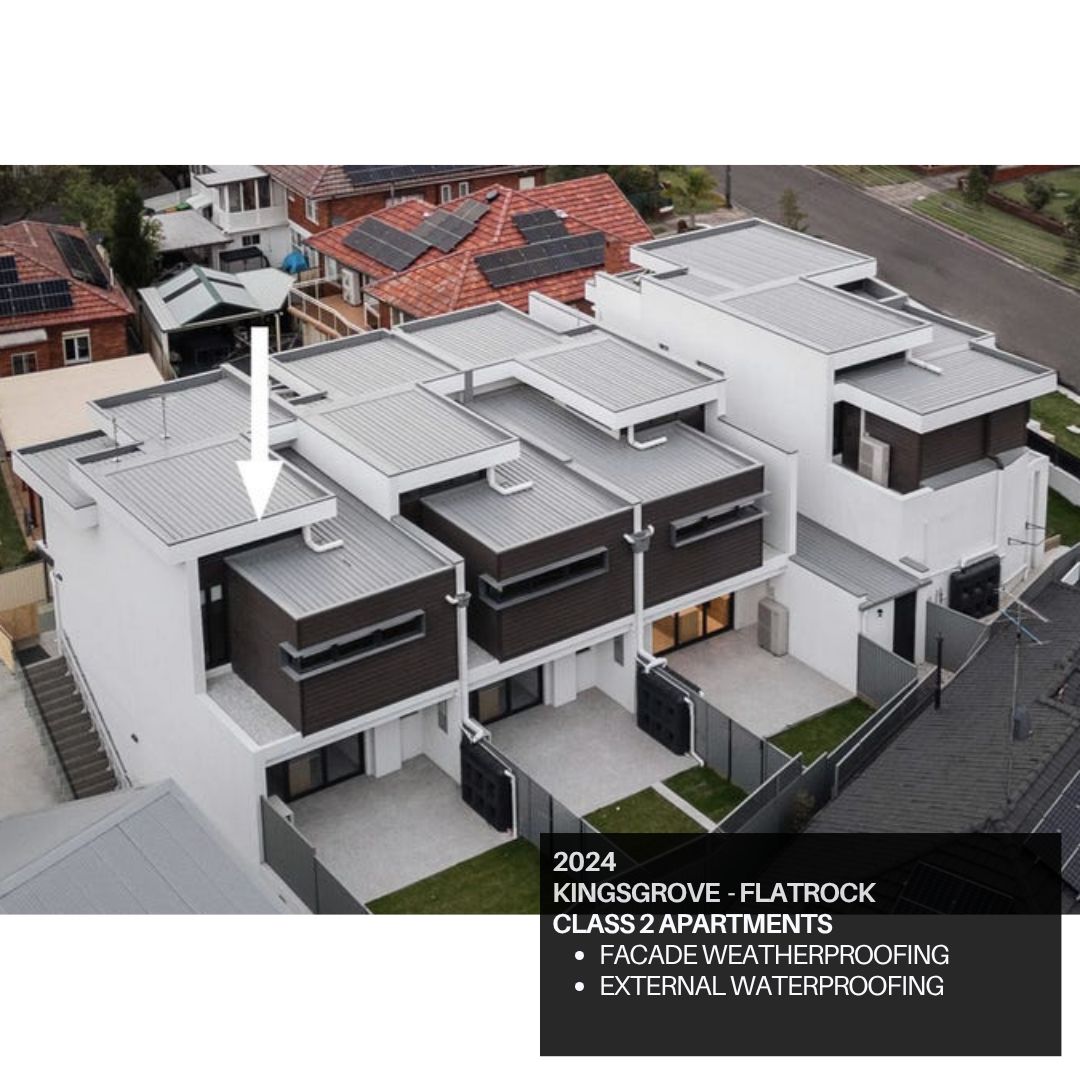
Kingsgrove apartment block concrete cancer repair Concrete Cancer · Kingsgrove

1980s Apartment Block — Diagnosis Saved $280k

An OC was quoted $620k by a remedial contractor to repair "widespread concrete cancer" across the soffits of a 1980s apartment block. We carried out a proper investigation — carbonation depths, chloride profiles, half-cell mapping. The chloride profile was clean. The corrosion was localised to four specific bays with deficient cover, not building-wide.

Re-scoped to $340k targeted repair. Same engineering outcome, less than half the cost. Section 80 levy halved.
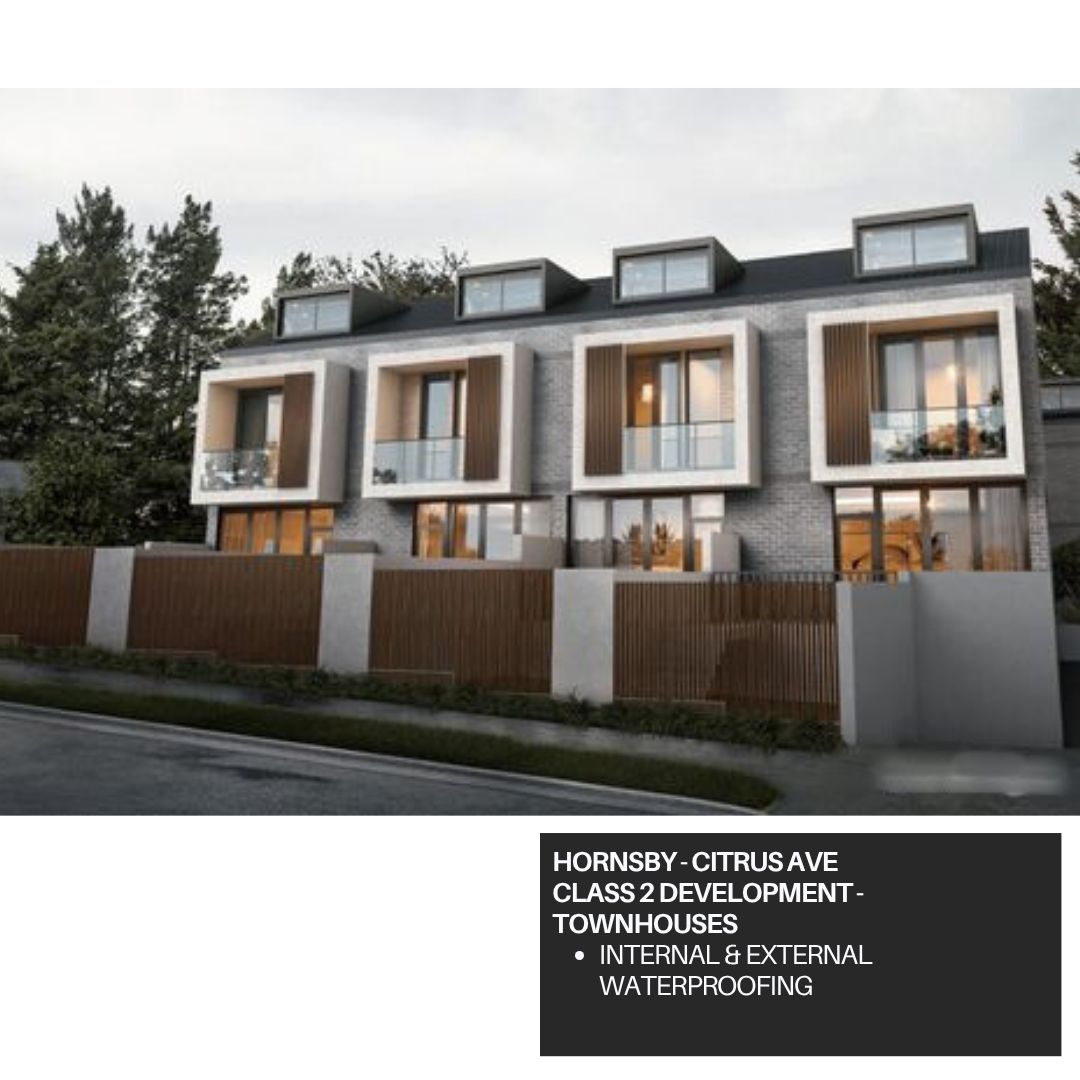
Hornsby strata building rising damp investigation Rising Damp · Hornsby

Rising Damp Misdiagnosis Corrected

A heritage-era strata building had three contractors quote remediation — one for ventilation upgrades, one for re-rendering, one for full external membrane application. Our investigation confirmed classic rising damp via salt analysis and moisture profile. None of the contractor proposals would have addressed it. We specified chemical DPC injection plus salt-attack render replacement.

Project tendered competitively against the correct scope. Two-year post-completion inspection confirmed no recurrence.
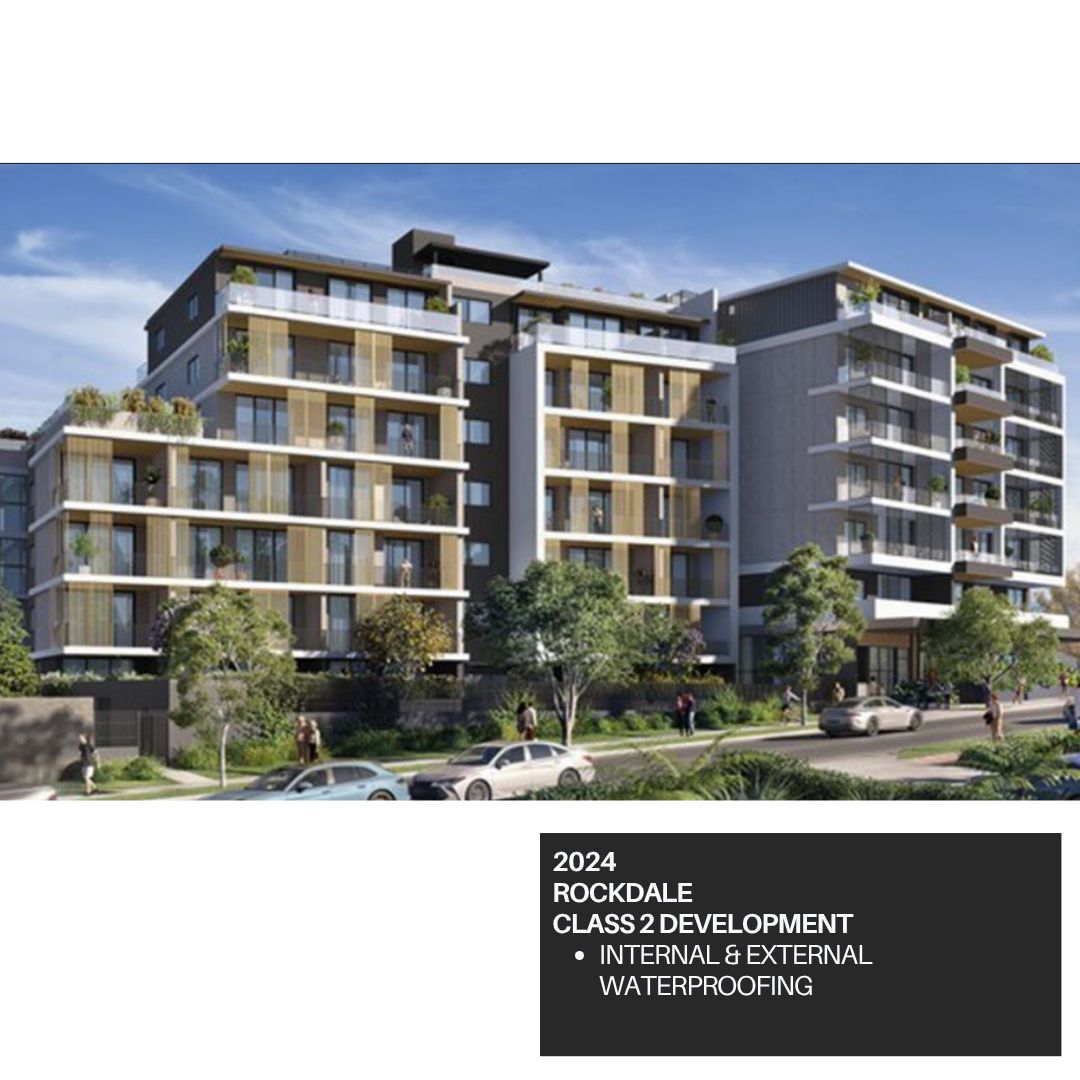
Rockdale strata podium remedial waterproofing Waterproofing · Rockdale

Podium Remediation — Repair vs Replace Decision

An OC was facing pressure to demolish and rebuild a leaking podium for $1.4M. Our investigation found the underlying slab and falls were sound; the failure was a delaminated single-layer acrylic system. We specified targeted membrane replacement with a dual-layer Class III system to AS 4654.2.

Project delivered for $480k. Owners voted unanimously to proceed after the engineering report set out the repair-vs-replace evidence.
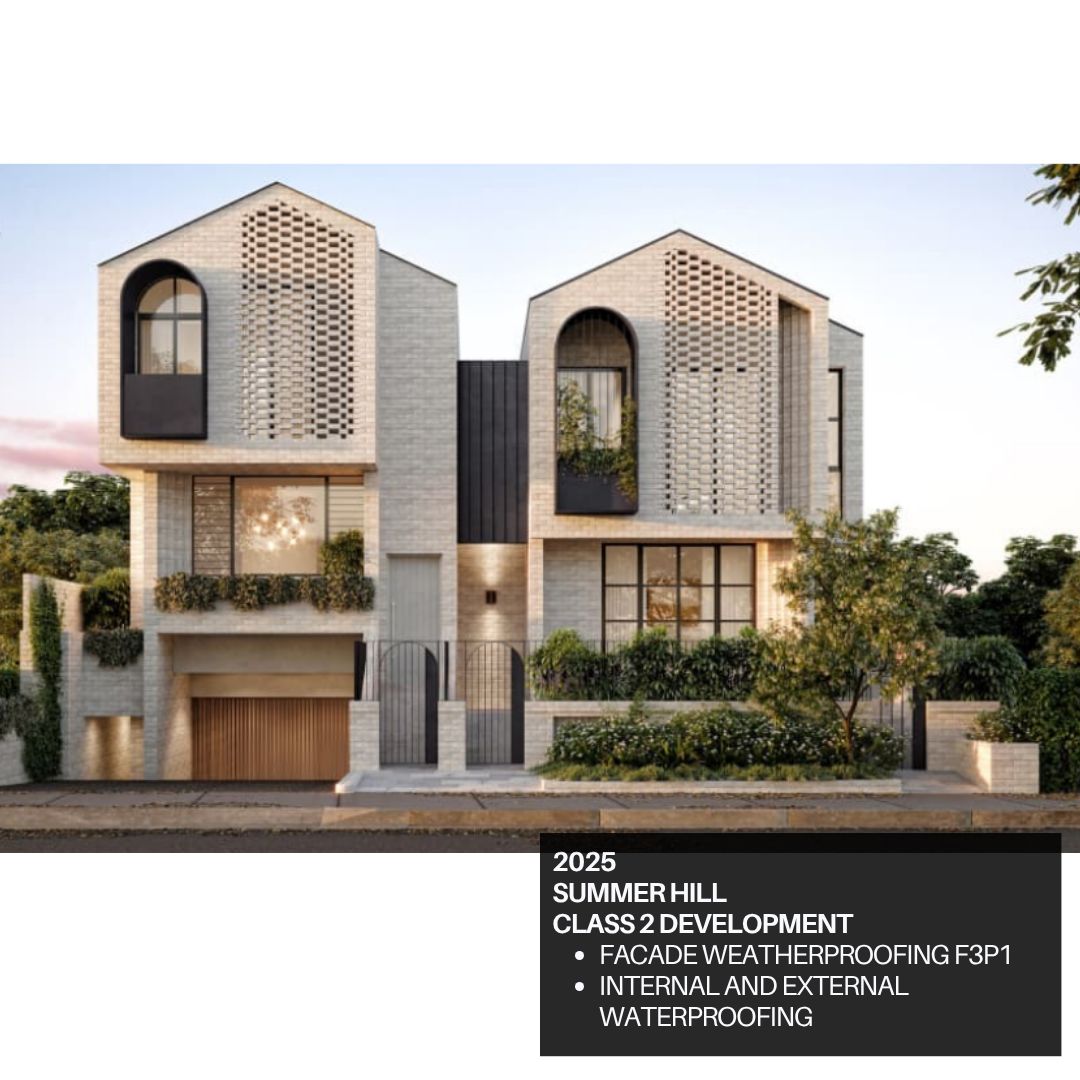
Summer Hill heritage masonry crack monitoring Structural Cracking · Summer Hill

Heritage Masonry — Movement vs Overload Differentiation

A heritage-listed building was showing diagonal cracking that two earlier engineers had attributed to overload, recommending steel underpinning at $180k. We installed Avongard monitoring gauges and tracked movement across two seasonal cycles. The cracking was reactive-soil seasonal movement, not load-induced.

Underpinning avoided. Specified controlled-fill backfill at affected garden beds and a tree-root management plan — $14k all in.

Built for Strata, Trusted by Owners

We act for the owners corporation, not the contractor — and our specifications reflect that.

Owners Corporations & Strata Managers

Common property scopes, capital works planning, defect investigations and compliance certification for Class 2 buildings.

Builders & Developers

Design declarations, Performance Solutions, certification packages and staged inspections — built to satisfy the certifier on the first submission.

Architects & Consultants

Specialist engineering input on facade, waterproofing and structural elements where Deemed-to-Satisfy provisions don't apply.

Homeowners & Investors

Practical engineering advice on renovations, defects and pre-purchase risk assessments — translated out of jargon.

Frequently Asked Questions

Do you act for the trade or the owner?

We act for the owner — owners corporation, building owner, body corporate, homeowner. We don't take referrals from contractors and we don't get product margins. Our specifications are manufacturer-neutral and our superintendence is independent. That independence is what makes our reports defensible if there's ever a dispute.

What's the difference between a building report and a remedial specification?

A building report describes what's wrong. A remedial specification describes exactly how to fix it — products, application rates, hold points, acceptance criteria, defects liability terms. The specification is what gets tendered and built from; the report is what convinces the owners to commit the money.

How do you choose between repair and full replacement?

We use a five-factor framework: (1) extent of damage relative to the element, (2) substrate condition under the failed layer, (3) age and remaining service life of the system, (4) accessibility for future maintenance, (5) cost per unit area for repair vs replacement including disruption. We document the decision in writing so the OC has a defensible record.

Do you supervise the construction work yourself?

Yes. For projects over $80k we strongly recommend full superintendent oversight under AS 4000 or AS 4902 — and we take that role ourselves. For smaller jobs we offer hold-point inspections only (typically 4–6 visits) which catches the critical defects without the full overhead.

How much does a remedial investigation cost?

Inspection-and-report scopes start from $2,200 for a small balcony or single-defect investigation. Full strata defect investigations across a multi-unit building typically run $6k–$18k depending on size. We provide fixed-fee quotes after a 15-minute scoping call.

Can you write a Section 80 special levy report?

Yes. We routinely write engineering reports that owners corporations use to support Section 80 special-levy resolutions under the Strata Schemes Management Act — explaining the defect, urgency, options, cost bands and the engineering reasons the work can't be deferred.

Do you cover all of Australia?

Yes. We have offices in Sydney (Surry Hills), Melbourne (Cremorne) and the Gold Coast (Bundall), and regularly carry out remedial work across all states. Regional travel costs quoted separately.

What if the contractor disputes our specification during the works?

We respond to contractor RFIs during construction as part of our superintendent service. If a contractor proposes a product or method substitution, we assess against the original specification's performance requirements and approve, modify or reject. Most substitution requests are resolved within a working day.

Need a Remedial Engineer?

Tell us about the defect and we'll come back with a fixed-fee diagnosis scope — usually within 24 hours.

Get in Touch