From a single wall-removal certificate to a full-building structural design — our CPEng team delivers documentation that builders can construct, certifiers can sign off, and councils don't bounce back.
CPEng & DEP Registered
Bad structural documentation costs more than good documentation — through site variations, certifier rejections, builder rework and, occasionally, structural failure. Here's what gets it wrong on most jobs we inherit.
A pattern detail copied from another job that doesn't actually match the site's soil class, wind region or load path. The certifier signs it off, the builder builds it, the cracks appear two years later.
A wall removed without tracing the full vertical and lateral load path to ground. Common in renovations where a designer treats the immediate beam as the whole problem — ignoring what the wall above was bracing.
The flip side: an engineer who plays it safe by specifying 250UB steel where 150UC would do, doubling the bearer count, calling for piles when pads work. The structure stands — but the client paid for it twice.
Full structural design and certification across residential, commercial and industrial scopes — from a single beam to a 10-storey apartment building.
Load-bearing wall removal certificates, post-installed lintels and beam-replacement schemes — with full load-path documentation for certifier sign-off.
Masonry, blockwork, gabion and concrete retaining wall design to AS 4678 — for residential boundary walls, basement edges and landscape works.
Strip, pad, raft and pier-and-beam footings sized to the geotechnical report and the project loads — including reactive soil sites and infill blocks.
Independent assessment of existing structures for change-of-use, additional storeys, new loads or insurance proceedings — backed by calculations to current Standards.
Engineer's certificates for completed structural work — wall removals, beams, footings, retaining walls — accepted by NSW certifiers, councils and lenders.
Pre- and post-construction condition surveys of neighbouring properties — protecting all parties before excavation, demolition or piling begins next door.
A structured, transparent process from first contact to issued certificate — so you always know where things stand.
Tell us about the project. We'll review the documentation, define a fixed-fee scope of works and turn around a quote — usually within 24 hours.
Our engineers carry out the design, calculation, inspection or assessment to the relevant Australian Standards, NCC provisions and project-specific requirements.
We deliver clear, signed engineering documentation — drawings, specifications, compliance certificates or reports — built to satisfy certifiers, councils, insurers and the courts.
Construction support, certifier RFIs, site inspections, post-issue revisions — we stay engaged through to project completion, not just until the document is issued.
Selected structural projects we've completed — anonymised where needed for client confidentiality.
Commercial Fitout · Rosebery
An owner-occupier wanted two load-bearing walls removed to open up a tenancy in a 1980s commercial slab block. The previous engineer had quoted full propping and a complex transfer scheme. We re-analysed the load path, confirmed the floor above could span between the remaining walls without intermediate support, and designed a single 310UB transfer beam with welded shear plates.
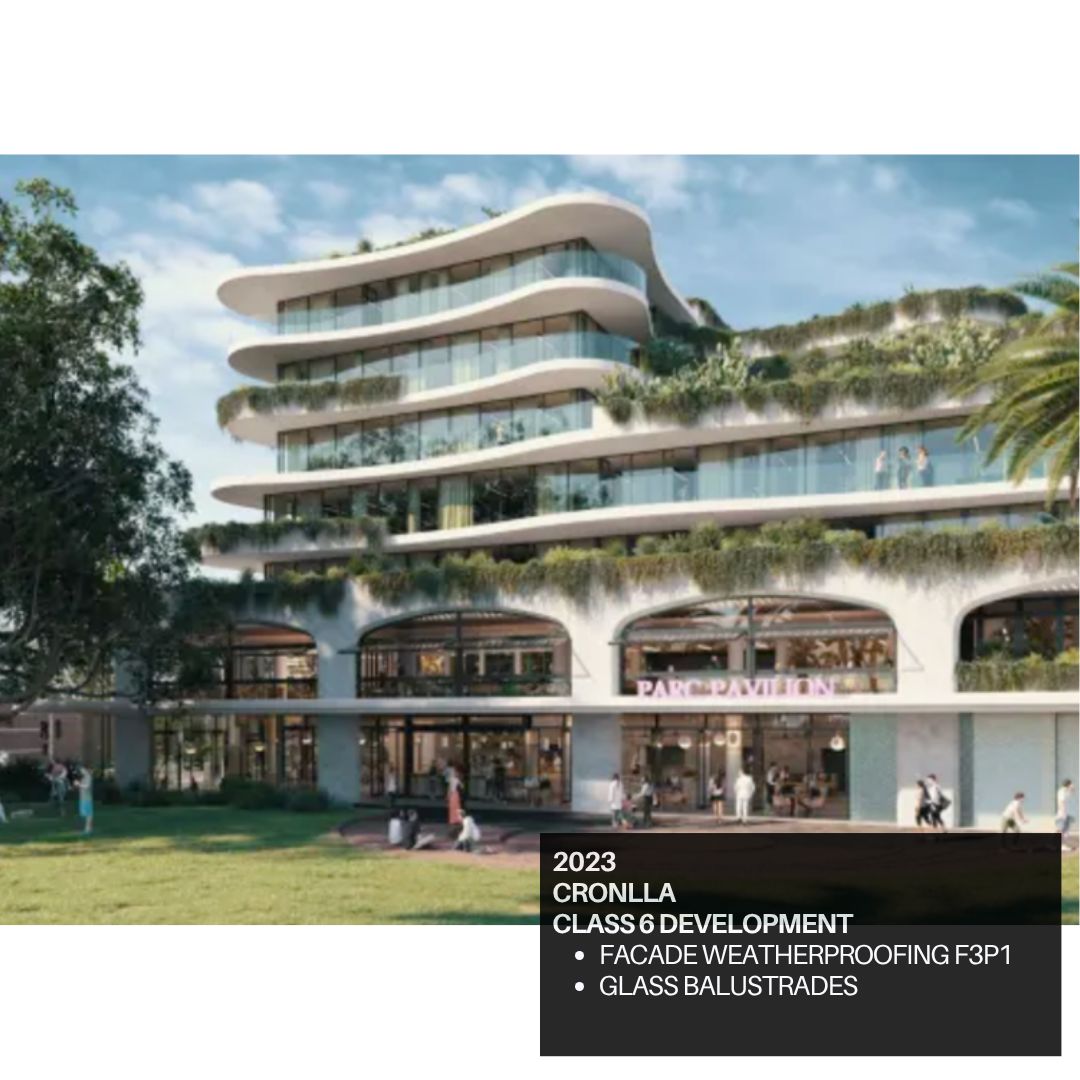
Adequacy Assessment · Cronulla
Client wanted to add a full second storey to a single-storey brick house on Class M reactive clay. We undertook geotechnical interpretation, traced the existing strip-footing loads, modelled the new live and dead loads, and confirmed underpinning was needed at three locations but not the whole perimeter.
Retaining Wall · Blacktown
An industrial site required a 3.2 m structural retaining wall along a shared boundary. The original drainage scheme would have triggered drained-back-fill design and a much heavier wall. We worked with the civil engineer to integrate subsurface drainage, which let us drop one design surcharge category and lighten the wall.
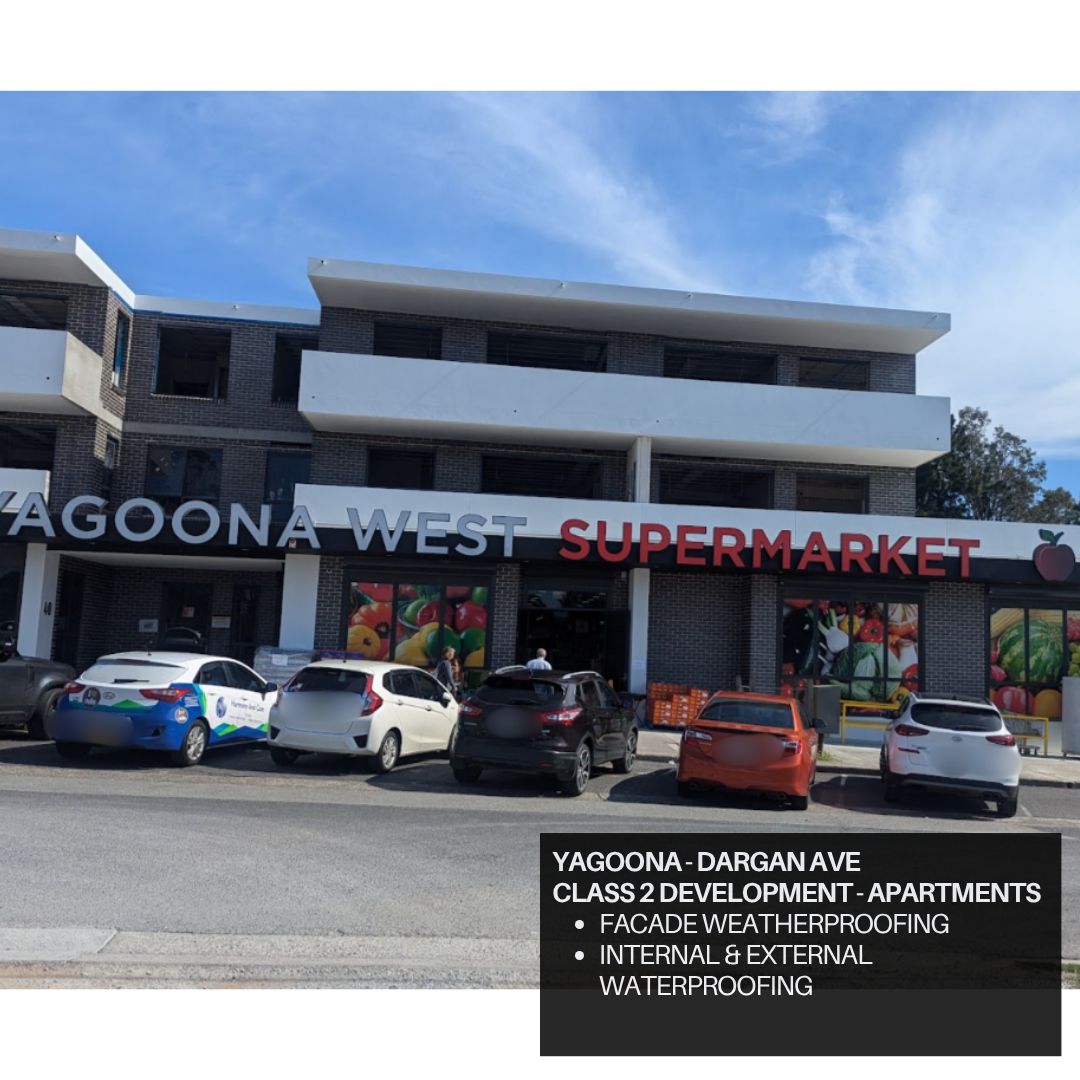
Wall Removal · Yagoona
Renovation client engaged a different engineer first — got back a one-page certificate with a vague "steel lintel as required" note that the certifier refused to accept. We re-issued with a proper section detail, member schedule, bearing reactions and a marked-up plan showing the load path.
Practical, code-compliant structural engineering for projects of every size.
Common property scopes, capital works planning, defect investigations and compliance certification for Class 2 buildings.
Design declarations, Performance Solutions, certification packages and staged inspections — built to satisfy the certifier on the first submission.
Specialist engineering input on facade, waterproofing and structural elements where Deemed-to-Satisfy provisions don't apply.
Practical engineering advice on renovations, defects and pre-purchase risk assessments — translated out of jargon.
Yes — for simple single-storey load-bearing wall removals we can scope and quote off a builder's video walk-through and dimensioned sketch. We'll attend site once before issuing, but most of the design work happens in the office. Fixed-fee, usually $1,200–$1,800 for the certificate.
If the renovation removes or modifies a load-bearing element, alters a footing, changes the building's lateral stability, or adds a second storey — yes. If it's a kitchen refit with no structural change, no. Send us the brief and we'll give you a yes/no in writing within a day.
Standard wall-removal or beam certificates are issued within 5–7 business days of site inspection. Larger projects (full-building designs, adequacy assessments with calculations to multiple Standards) typically take 2–3 weeks.
Yes. Our principal engineer Jimmy Tran is a registered Design Practitioner (DEP0001529 — Civil and Structural) and a registered Professional Engineer (PRE0001088). We lodge declarations directly via the NSW Planning Portal.
For 95% of projects, yes. We give you a fixed-fee quote upfront after we've reviewed the scope. The remaining 5% are open-ended scopes (e.g. unknown existing structure) where we'd quote a Stage 1 investigation fee, then a fixed fee for the design once the unknowns are resolved.
Yes. We offer staged hold-point inspections for footings, framing and key structural elements — usually 2–4 visits depending on project size. These are often a certifier requirement on DBPA Class 2 projects.
Yes. We have offices in Sydney (Surry Hills), Melbourne (Cremorne) and the Gold Coast (Bundall), and regularly work across all states and territories. Travel costs for regional work are quoted separately and confirmed before engagement.
We respond to certifier and council RFIs as part of our service for 30 days after issue at no extra cost. Beyond that we charge an hourly rate. Most queries are resolved in one back-and-forth.