Independent waterproofing engineering to AS 3740, AS 4654.1/.2 and BS 8102 — for wet areas, balconies, podiums, planters and below-ground tanking. Inspections, design, certification and NCC Performance Solutions for windows in wet areas.
DBPA & CPEng Registered
Waterproofing accounts for the largest share of strata defect claims, AFCA insurance disputes and Section 80 capital works levies. The work is technically straightforward — but the cost of getting it wrong is high and the supervision is usually thin. Here's where it usually breaks down.
AS 4654.2 Table A1 sets external upturn heights based on the project wind class — 40 mm at N1, 180 mm at N6 / C4. Most balconies in NSW are detailed at "150 mm everywhere" without checking the actual classification, which sometimes means under-spec, sometimes wildly over-spec.
BS 8102:2022 grades below-ground spaces by consequence of failure. Grade 3 (habitable basements, archives) needs Type A + Type C dual-layer. We see single-membrane tanking specified in Grade 3 spaces routinely — works for a year, fails by year three.
The waterproofer writes the spec, picks the system, signs off the work. No third-party design, no independent inspection. The defect liability period passes, the leak starts, and there's no engineering record of what was actually installed or whether it complied with AS 4858 / AS 4654.2 / AS 3740 in the first place.
Independent waterproofing engineering across the three main domains — internal wet areas, external decks and below-ground spaces.
Wet area waterproofing design for bathrooms, ensuites, laundries and kitchens — including hob detailing, shower base falls, upturn heights and floor-waste detailing.
Balcony, podium, planter and exposed-roof waterproofing — with upturn heights re-derived per project wind class, fall design, drainage layout and termination detailing.
Below-ground waterproofing design — Type A (membrane), Type B (integral concrete), Type C (drained cavity) — graded against the BS 8102 risk framework for the building's end use.
Staged hold-point inspections, dry-film-thickness verification, witnessed flood tests, water-spray testing to AS 4284, and signed compliance reports for certifier and OC records.
Forensic-grade leak tracing on existing buildings — moisture mapping, smoke/water tracer testing, destructive coring — and remedial waterproofing specifications.
NCC Performance Solutions for windows in wet areas, AAC / proprietary systems outside DtS, and DBPA design compliance declarations for Class 2 / 3 / 9c waterproofing.
From the architect's set to the final flood test — a clear engineering process.
Tell us about the project. We'll review the documentation, define a fixed-fee scope of works and turn around a quote — usually within 24 hours.
Our engineers carry out the design, calculation, inspection or assessment to the relevant Australian Standards, NCC provisions and project-specific requirements.
We deliver clear, signed engineering documentation — drawings, specifications, compliance certificates or reports — built to satisfy certifiers, councils, insurers and the courts.
Construction support, certifier RFIs, site inspections, post-issue revisions — we stay engaged through to project completion, not just until the document is issued.
A snapshot of waterproofing engineering we've delivered across new-build and remedial scopes.
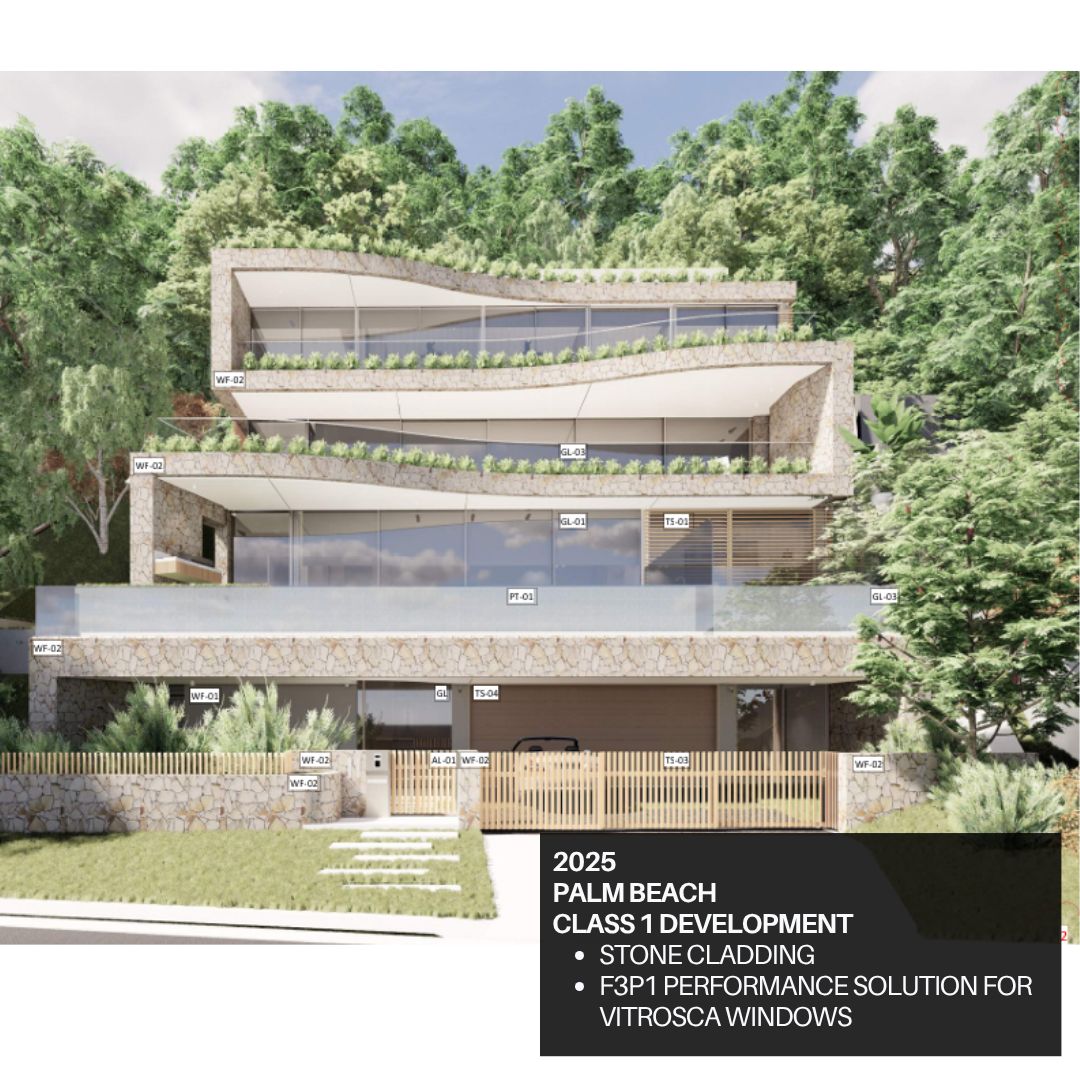
Basement · Palm Beach
A new Palm Beach residence included a Grade 3 habitable basement (cinema and wine room) cut into clay with seasonal groundwater. The original waterproofing scheme was a single Type A bituminous membrane. We re-graded against BS 8102 and specified a Type A + Type C dual system with a drained cavity drainage profile to a sump.
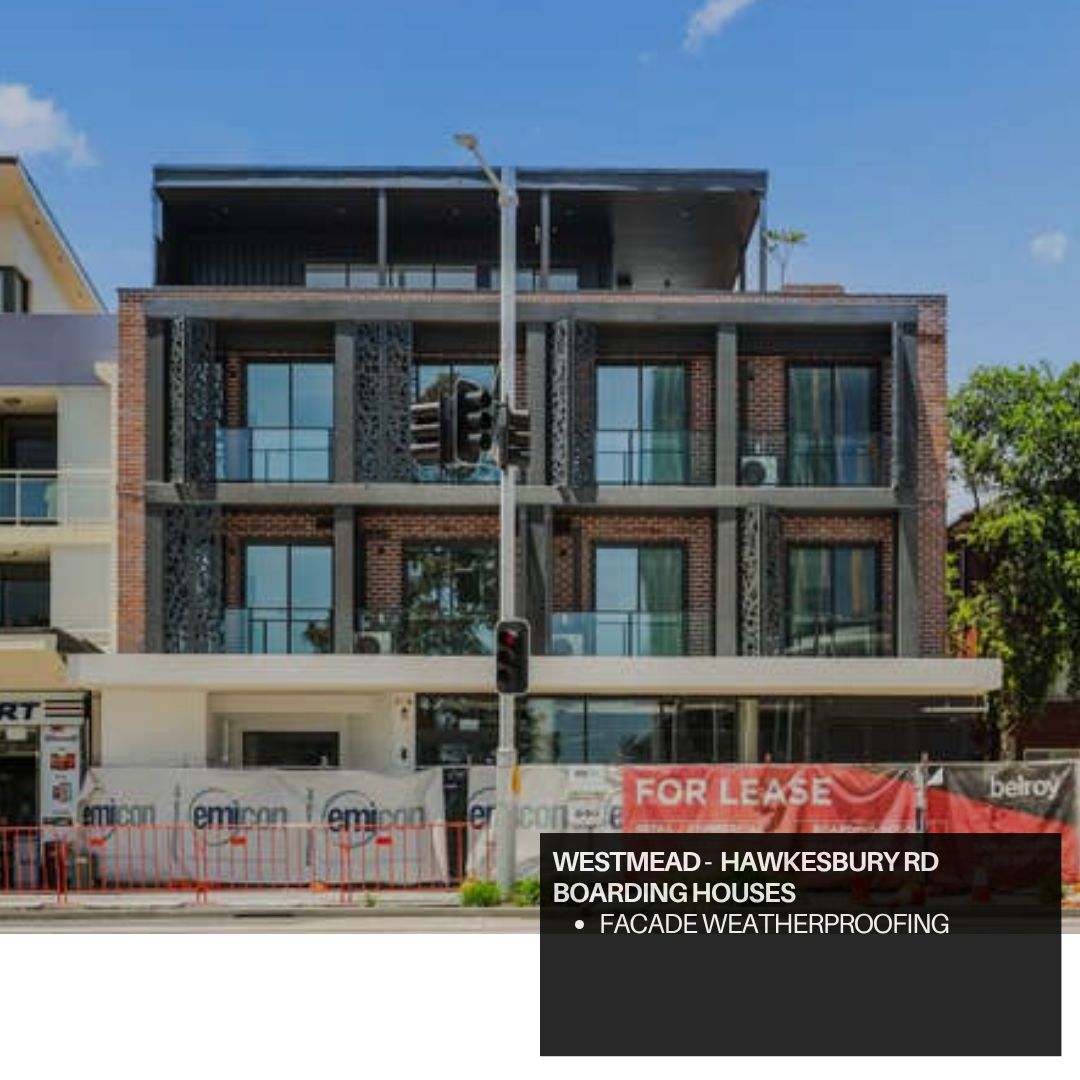
Podium · Westmead
A new Westmead apartment build required a 1,200 m² landscaped podium over residential car parking. We specified a dual-layer Class III system, designed the drainage and fall layout, and witnessed the membrane installation across four staged inspections including a witnessed flood test of every drainage cell.
Wet Area PS · Rosebery
An architect specified an obscured glass window directly within a shower recess on a high-end residential fitout. AS 3740 DtS prohibits this configuration. We documented a Performance Solution under F1V1 with specific sill detailing, sealed-cavity reveal, and a heightened upturn at the architrave junction.
Remedial · Cronulla
An OC engaged us after a Cronulla beachfront balcony leaked twice in three years following an earlier remediation. Investigation found the contractor had detailed all upturns at 150 mm — AS 4654.2 Table A1 requires 150 mm at N5 / C3 minimum, and Cronulla is C2. The threshold heights were under-spec for the wind class.
Independent of trades and product manufacturers — written for the asset owner.
Common property scopes, capital works planning, defect investigations and compliance certification for Class 2 buildings.
Design declarations, Performance Solutions, certification packages and staged inspections — built to satisfy the certifier on the first submission.
Specialist engineering input on facade, waterproofing and structural elements where Deemed-to-Satisfy provisions don't apply.
Practical engineering advice on renovations, defects and pre-purchase risk assessments — translated out of jargon.
Different roles. A licensed waterproofer installs the system; an engineer designs the system and verifies the installation. Most waterproofing failures we see in service trace to gaps the installer was never asked to fill — wrong system for the substrate, termination heights below the wind-class requirement, no third-party witness of dry-film thickness. An independent engineer closes those gaps.
Yes. We attend the flood test, witness the damming and water-fill, document the start and end levels with photographic evidence, and issue a signed flood test certificate referencing AS 4654.2 acceptance criteria. The certificate is what insurers and certifiers want on the file.
Both — depending on the project. For competitively tendered remedial work we usually specify generic performance (e.g. "AS 4858 Class III, minimum X mm DFT, manufacturer to be approved") with three nominated manufacturers as a pricing benchmark. For DBPA-declared new work we typically nominate by manufacturer for full traceability.
Per BS 8102:2022. Type A (barrier membrane) for low hydrostatic head and Grade 1/2 spaces. Type B (integral concrete with admixture or waterstop) where the concrete is the primary water resistance. Type C (drained cavity) where redundancy is needed or the substrate can't be relied on. For Grade 3 habitable spaces we routinely specify Type A + Type C dual systems.
Yes — this is a common scope. AS 3740 DtS prohibits glazing in certain wet-area configurations. We document the PS pathway under F1V1, with project-specific sill detailing, sealed reveal construction and a heightened threshold. Most Performance Solutions issue inside 5–7 working days.
Staged inspections at substrate-ready, bond-breaker complete, membrane applied (with DFT or wet-film verification), and final pre-screed. Each stage is photographed and reported, with non-conformances issued in real time so they're fixed before subsequent trades cover the work.
Yes. We have offices in Sydney (Surry Hills), Melbourne (Cremorne) and the Gold Coast (Bundall), and regularly carry out waterproofing work across all states. Regional travel costs quoted separately.
Yes. Waterproofing is a listed building element under the DBPA Regulation. Our principal engineer is a Registered Design Practitioner (DEP0001529) and lodges declarations on the NSW Planning Portal directly.